


Lot n° 340 | Auction 758
Estimate € 10,000 - 15,000
Auction: 26 February 2026 at 15:00
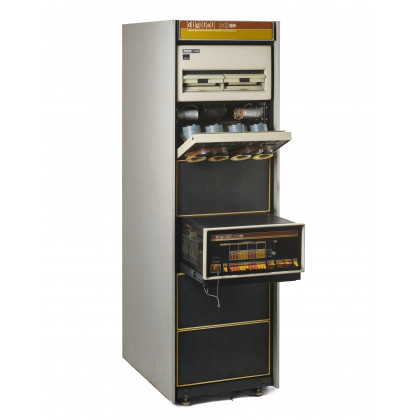
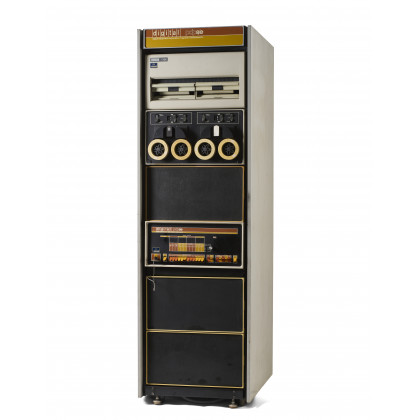
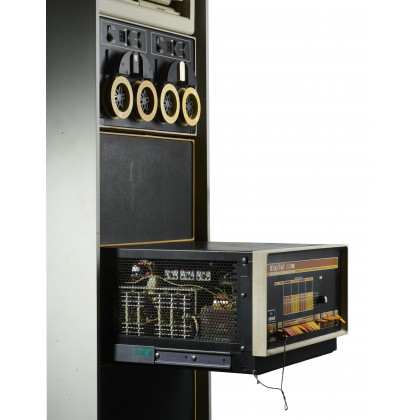
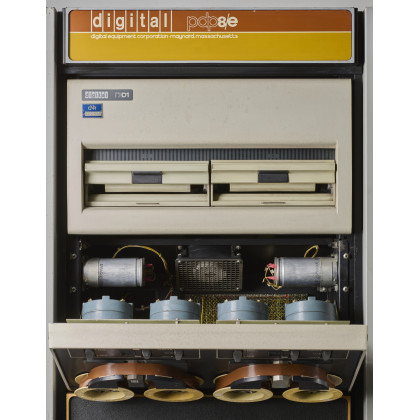
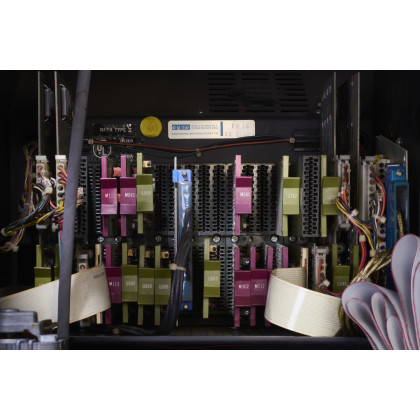
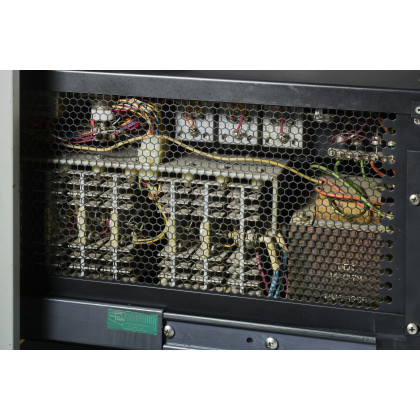
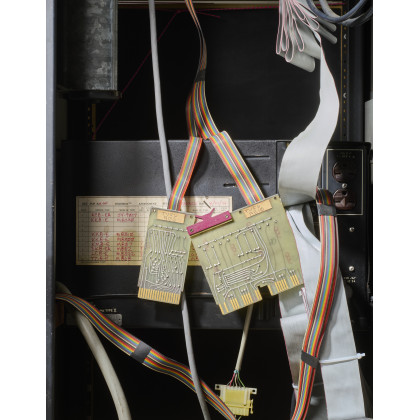
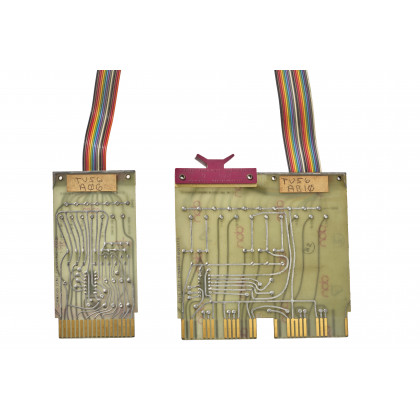
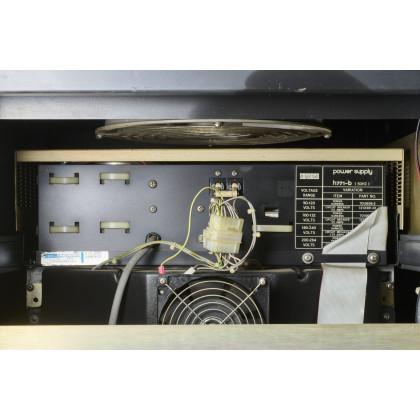
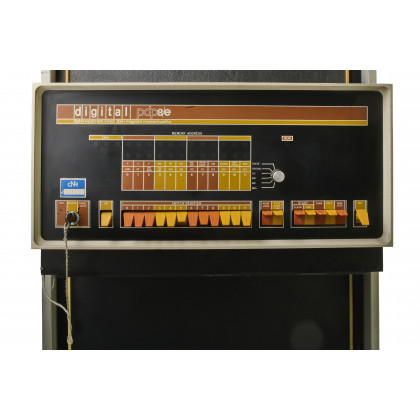
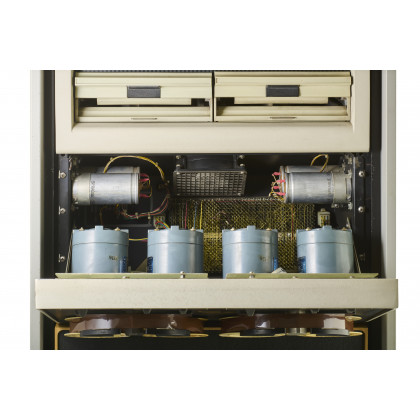
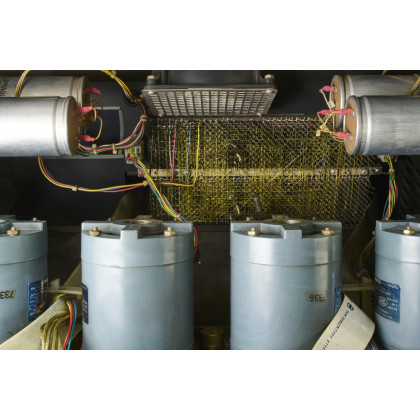
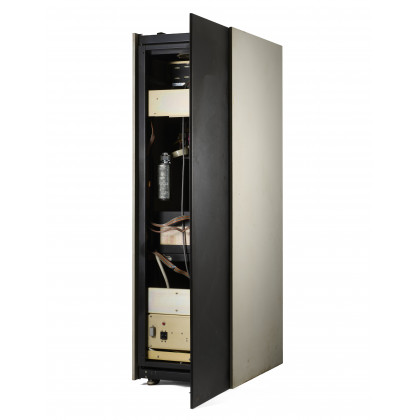
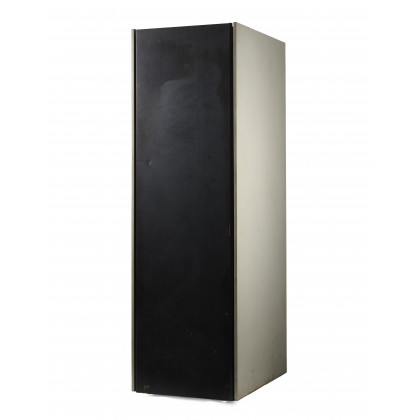
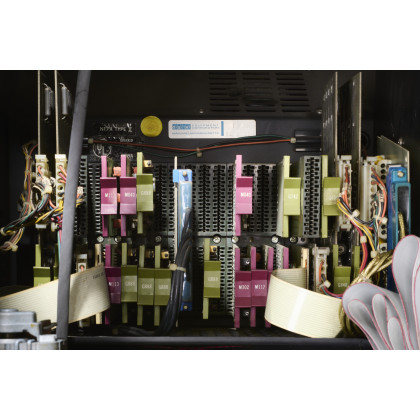
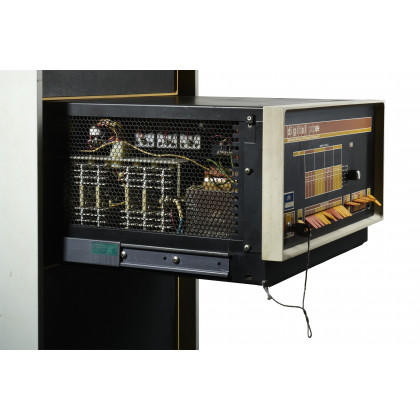
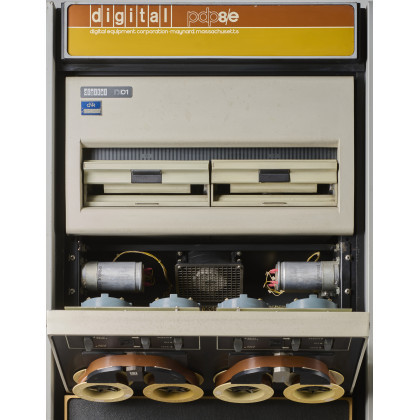
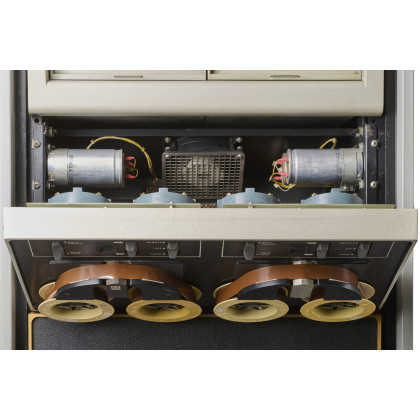
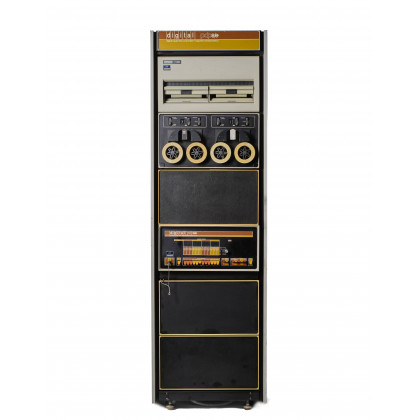
PDP-8 (Programmed Data Processor) - pietra miliare nella storia dei calcolatori, - DEC (Digital Equipment Corporation, Maynard Massachusetts), a partire dal 1965 (PDP-8/e, prodotto nel 1974). Historical Context: The PDP-8 (Programmed Data Processor) represents one of the most significant milestones in the history of computing and is universally recognized as the first minicomputer to achieve widespread global adoption. Manufactured by Digital Equipment Corporation (DEC, Maynard, Massachusetts) beginning in 1965 under the design leadership of Edson de Castro, the PDP-8 was the first professional computing system offered at a price below USD 20,000 at the time, making computing power accessible to institutions previously excluded from the domain of large-scale mainframes, which were reserved for a limited number of governmental and industrial organizations. This breakthrough marked the beginning of the professional and academic computing revolution and laid the foundations for the subsequent emergence of personal computers. With an estimated total production of approximately 50,000 units in numerous configurations, the PDP-8 stands as a testament to its commercial success and historical impact and is today regarded as an object of major interest to collectors. Examples of the PDP-8 are preserved and exhibited in leading museums dedicated to the history of technology, underscoring the historical and cultural significance of this minicomputer, now considered a true cornerstone of the global computing heritage. Description: The PDP-8 is a 12-bit computer whose logic gates are implemented using discrete components. It is equipped with an internal magnetic core memory of 4,096 12-bit words (expandable up to 32,768 words) and an instruction set of eight operations acting on three registers: a 12-bit accumulator register, an execution register, and a single-bit carry register. One of the defining features of this computer is its modular architecture, based on “flip-chip” format boards that are interchangeable on common buses, allowing rapid reconfiguration and expansion with over sixty different peripherals, including additional memory units, punched card readers, analog-to-digital conversion boards, interfaces for external instruments, printers, and teleprinters. The PDP-8/e model, introduced in 1970, represents one of the most mature versions of the family and is implemented using TTL (transistor-transistor logic) with early MSI integrated circuits, replacing the original discrete DTL (diode-transistor logic) design to achieve greater robustness and efficiency. Register operations are performed over parallel buses, providing increased speed. An execution cycle of 1.2 microseconds allows a computational rate of approximately 385,000 additions per second. In addition to the central processing unit, the rack includes the standard removable DECtape magnetic tape memory unit (19mm) as well as a secondary RX8-BD floppy drive capable of housing two 8-inch floppy disks. This example bears externally the original inventory label of the Italian National Research Council (CNR), from which the computer was acquired. Internally, the central unit retains its original identification card indicating serial number 03-08525, year of manufacture 1974, and the list of the 17 installed boards. The overall state of preservation is good, and the components appear to be original. The system has not been tested and its operational condition cannot be guaranteed; certain components subject to natural aging, such as capacitors in the power supply units, may require replacement in order to restore functionality. On February 26, 2026, at 6:09 PM, a communication was received from the SOPRINTENDENZA ARCHEOLOGIA, BELLE ARTI E PAESAGGIO PER LA CITTA' METROPOLITANA DI MILANO regarding the initiation of proceedings to declare the present lot as being of particularly important historical interest.
Estimate € 10,000 - 15,000