

Interview with
Elena Claudi, Junior Specialist
for Books and Manuscript
What book do you dream of presenting at auction?
Among the books I dream of presenting at auction, there is one that holds a special place in the history of printing: the Hypnerotomachia Poliphili, published in Venice by Aldo Manuzio in 1499 and traditionally attributed to Francesco Colonna. It is, in fact, one of the supreme expressions of the Renaissance art of typography and one of the most influential models in the history of the illustrated book.
What makes it so fascinating?
Certainly the splendid woodcuts that contribute to the construction of an imaginary visual universe in which the dream of the protagonist, Poliphilo, unfolds among classical architectures, gardens, monuments, and allegories. The figures are characterized by extraordinary formal cleanliness and a compositional balance that fully reflects the humanistic culture of Renaissance Venice. Furthermore, the book was born in the celebrated workshop of Aldo Manuzio, whose name is still synonymous with typographic excellence today.
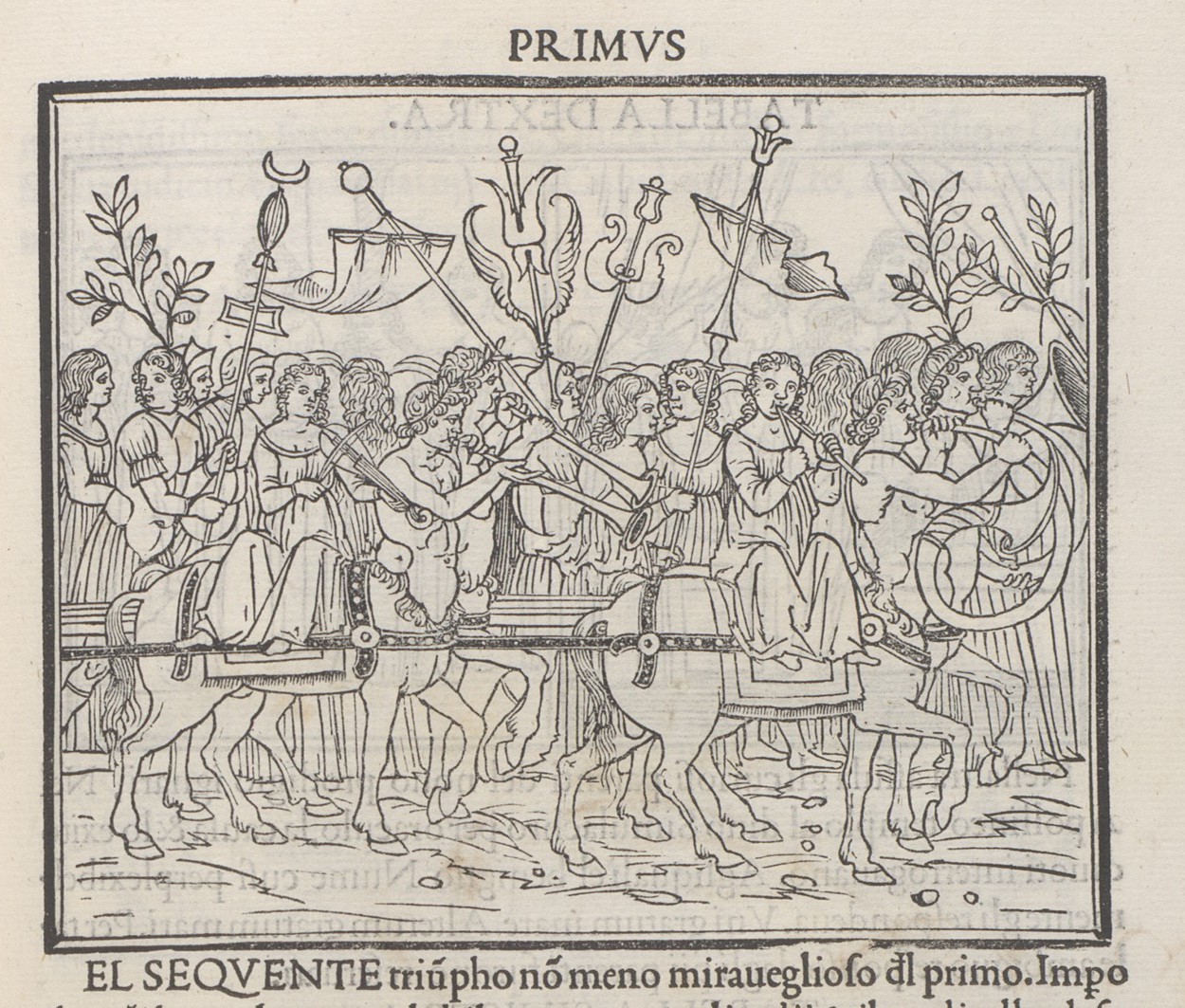
COLONNA, Francesco
Hypnerotomachia Poliphili. – Venezia : Aldo Manuzio, dicembre 1499.
How has the Hypnerotomachia Poliphili influenced the evolution of the illustrated book?
The work demonstrates how the book can be conceived as a unified artistic project. Volumes such as Schedel’s Liber Chronicarum or the first illustrated editions of the Divina Commedia had already brought to light the extraordinary potential of the dialogue between text and image. However, what distinguishes the Aldine masterpiece is the perfect integration of all elements: typography, layout, and woodcuts are conceived as a unified project, making the entire volume a coherent work of art. It is no coincidence that many book historians still consider it one of the most beautiful volumes ever printed.
How long will we have to wait in the subsequent centuries to see titles that are equally valuable and richly illustrated?
If we consider books in which all elements of the editorial project reach an exceptional level of harmony, after the Hypnerotomachia Poliphili we must wait several generations before encountering works of equal caliber. The sixteenth century is not lacking in magnificently illustrated books, such as Vesalius’s De Humani Corporis Fabrica, but they belong to more specialized genres.
To find a book that evokes the same wonder as a total artistic object, we can look to the seventeenth century with the monumental work Metamorphosis Insectorum Surinamensium by Maria Sibylla Merian and, above all, the eighteenth century, the golden age of great illustrated books. Works such as The Birds of America by Audubon or the great botanical and archaeological collections of the 18th century return to similarly combine artistic ambition, quality of engravings, and editorial luxury.
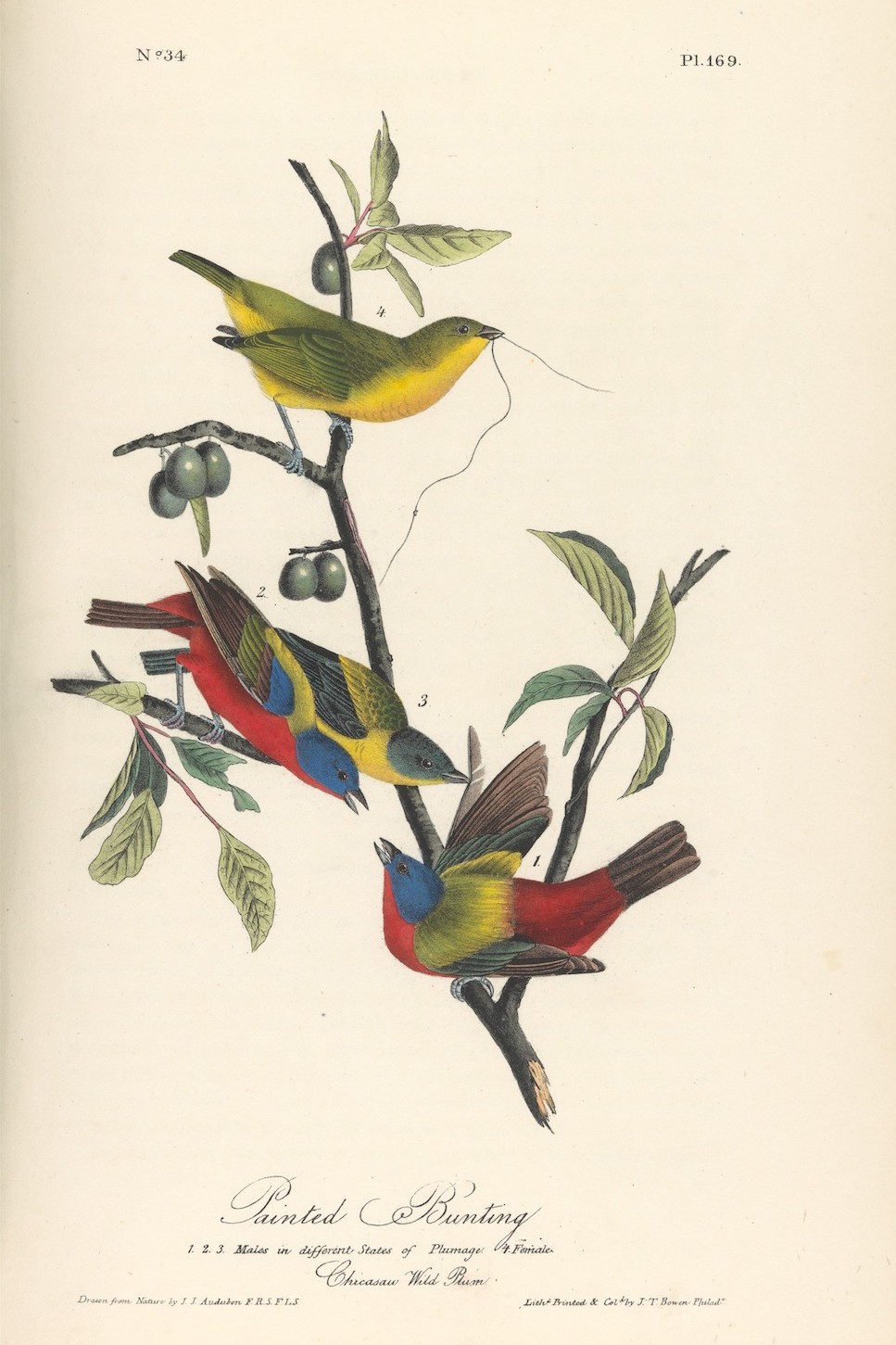
AUDUBON, John James
The Birds of America from Drawings Made in the United States. – Philadelphia : J. B. Chevalier, 1840–44.
How is a work of this level positioned in the international antique book market today?
In recent years, the market has shown a growing interest in the immortal masterpieces of printing history. Great collectors and major institutions are increasingly seeking works that are not only rare but that represent fundamental moments in European cultural history.
What is the most effective way today to enhance the value of a work of this level in the international book market?
To enhance the value of a masterpiece like the Hypnerotomachia Poliphili, it is necessary to tell its extraordinary cultural complexity. At Il Ponte Casa d’Aste, we place our specialized expertise and consolidated academic relationships at the service of these works, in order to present them to the most qualified international public. The strength of a specialized auction house lies precisely in its ability to transform an ancient volume into a story capable of engaging collectors, scholars, and institutions, highlighting not only its rarity but also its fundamental role in the development of modern knowledge.
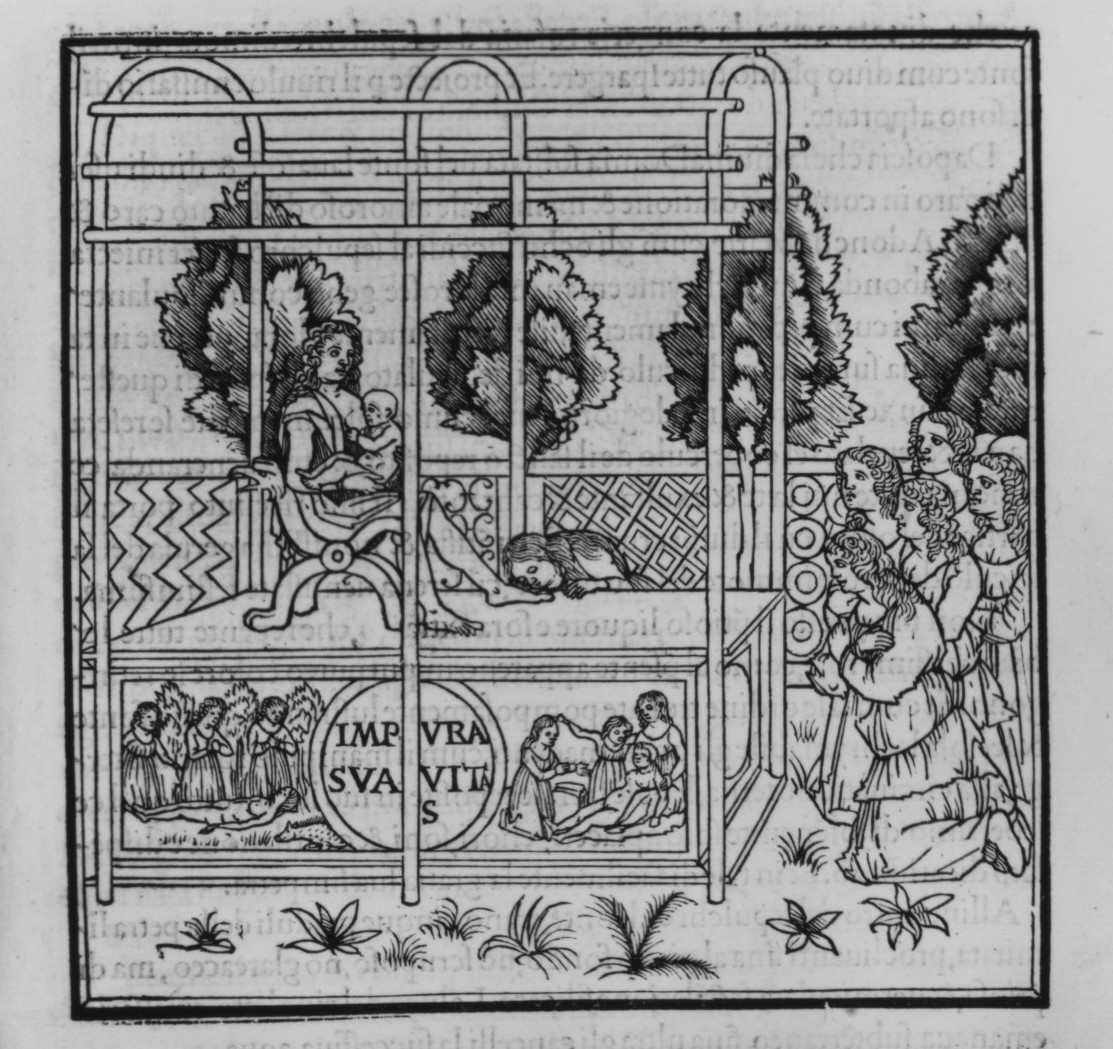
COLONNA, Francesco
Hypnerotomachia Poliphili. – Venezia : Aldo Manuzio, dicembre 1499.
----------
For inquiries with our experts:
+39 02 8631477